A Light in the Gloam, a dungeon crawler built in Godot
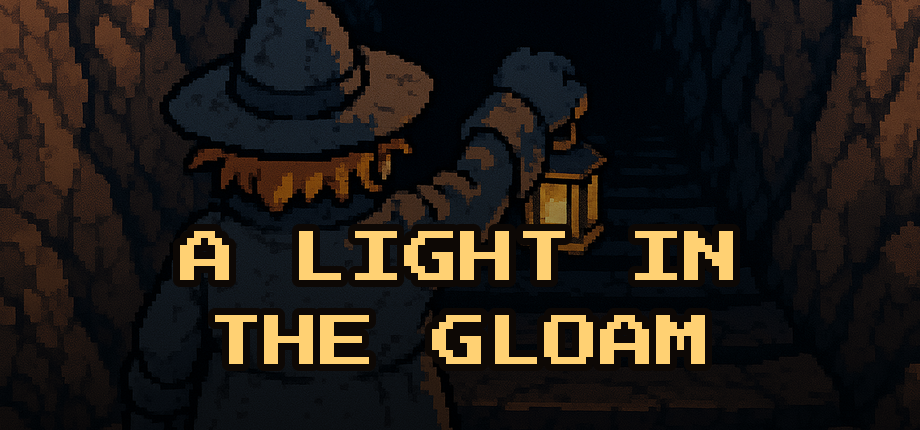
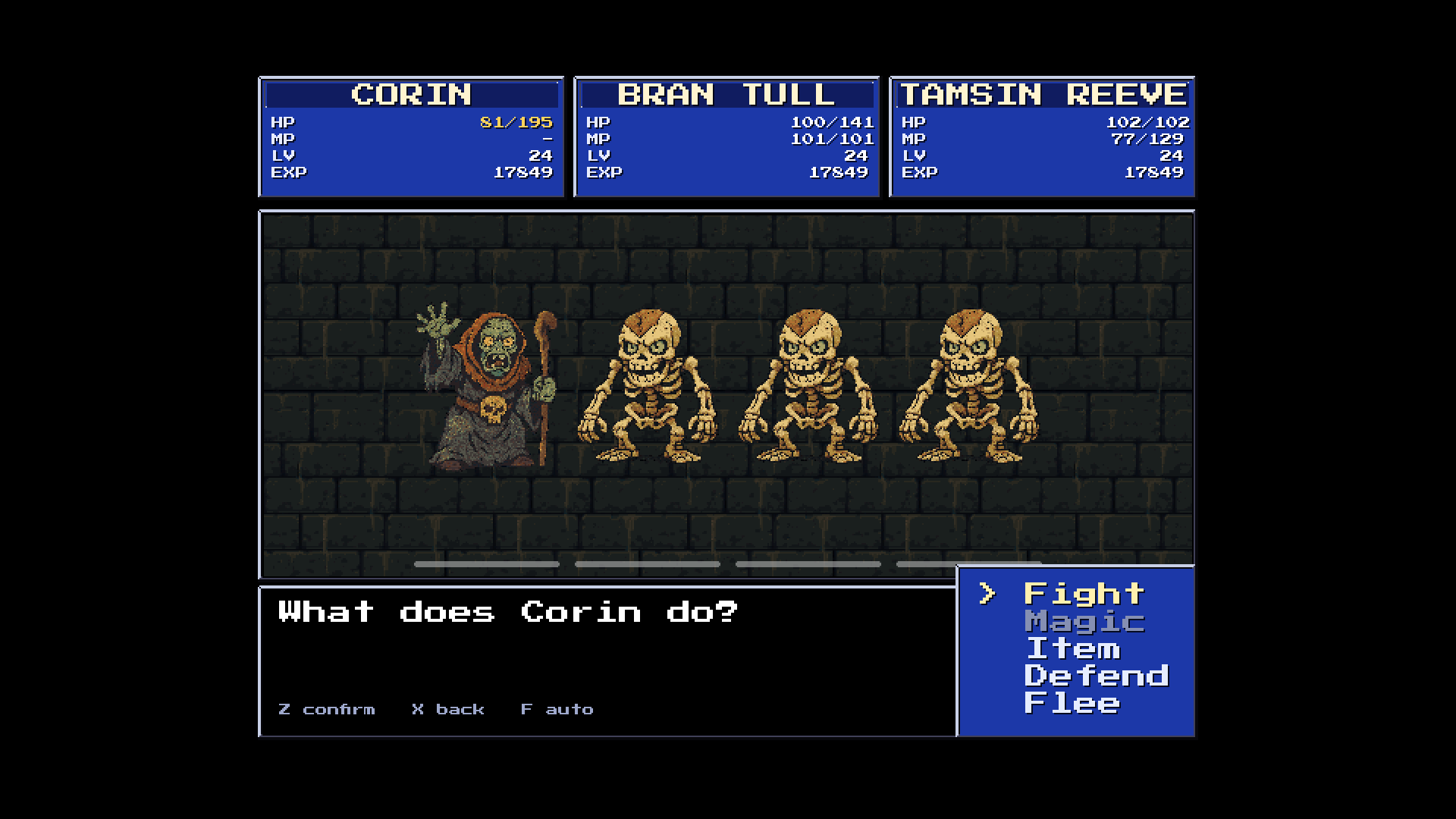
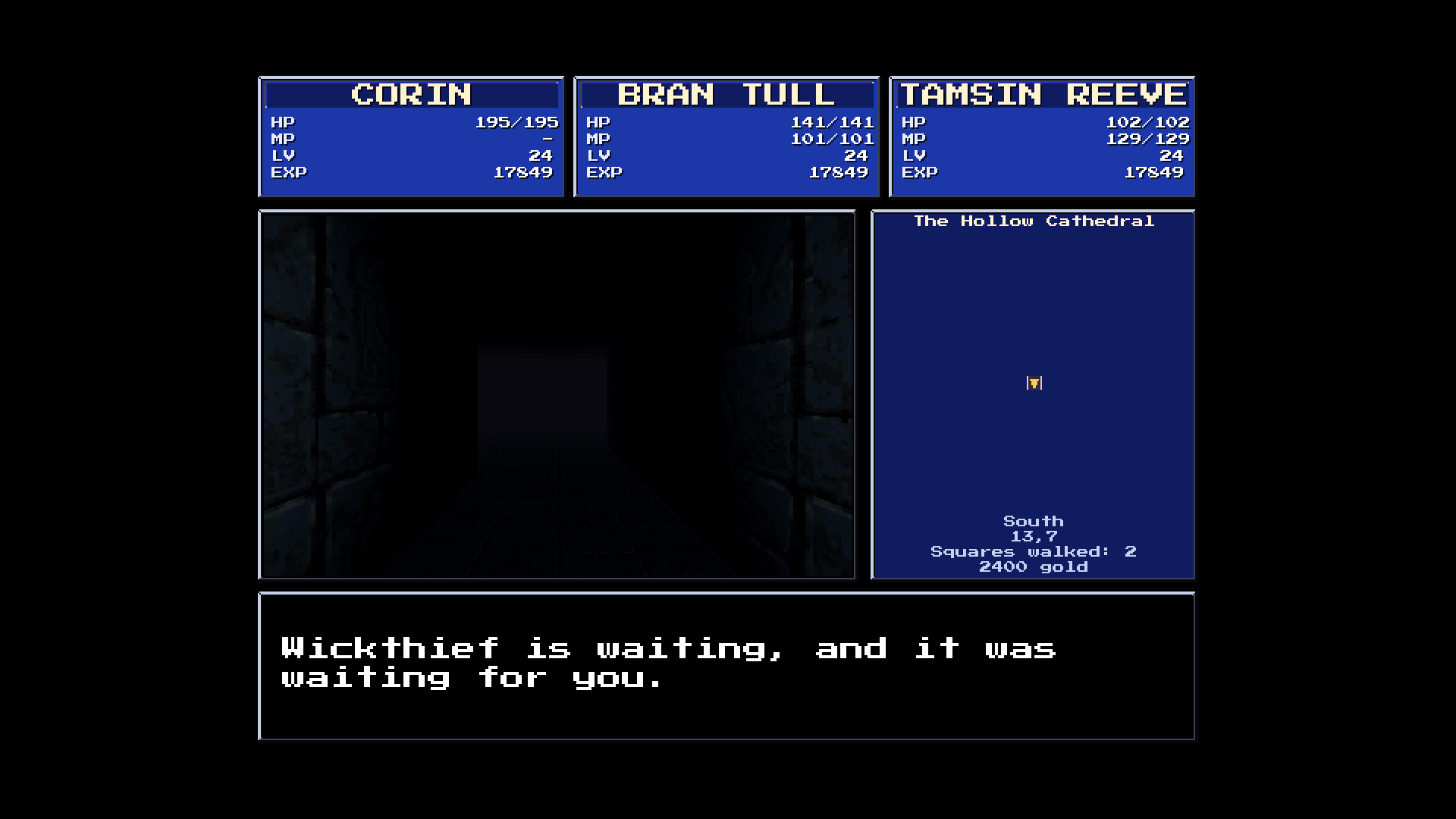
A Light in the Gloam has been out on Steam since 13 October. It’s a first person grid crawler, you move one square at a time and turn in four directions, you take a party of three down through ten floors and the fights are turn based. I loved playing Shining in the Darkness back in the day and I always wanted to make a game like that.
The town of Hearthold has a flame on the hill that has been burning for nine hundred years, and someone has to go down and feed it. Eleven days before the game starts, your mother, the Captain of the Lanternguard, went down with the Princess and they never came back. You’re the last recruit who can still hold a lantern, so you go down after them.
How it plays
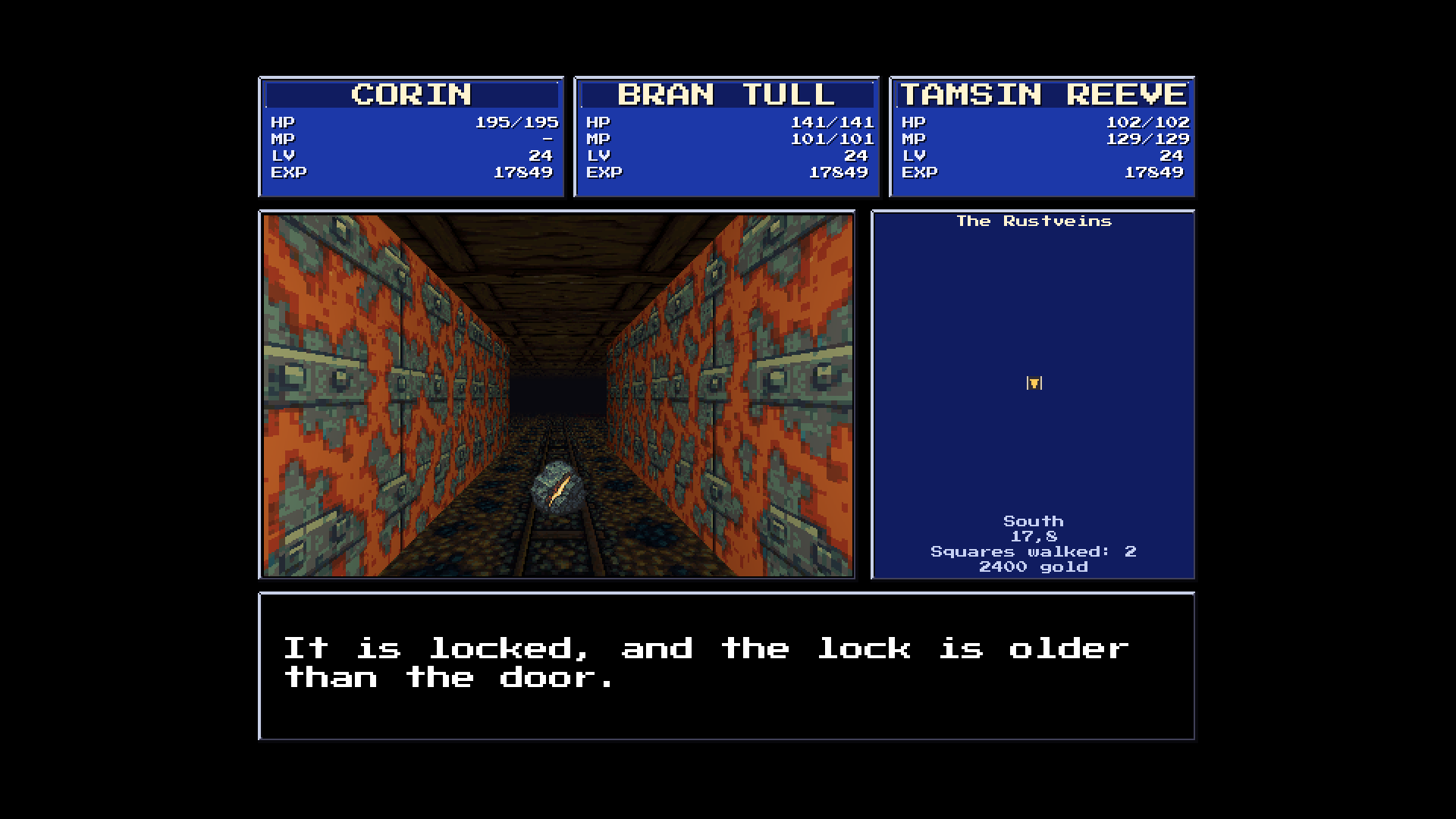
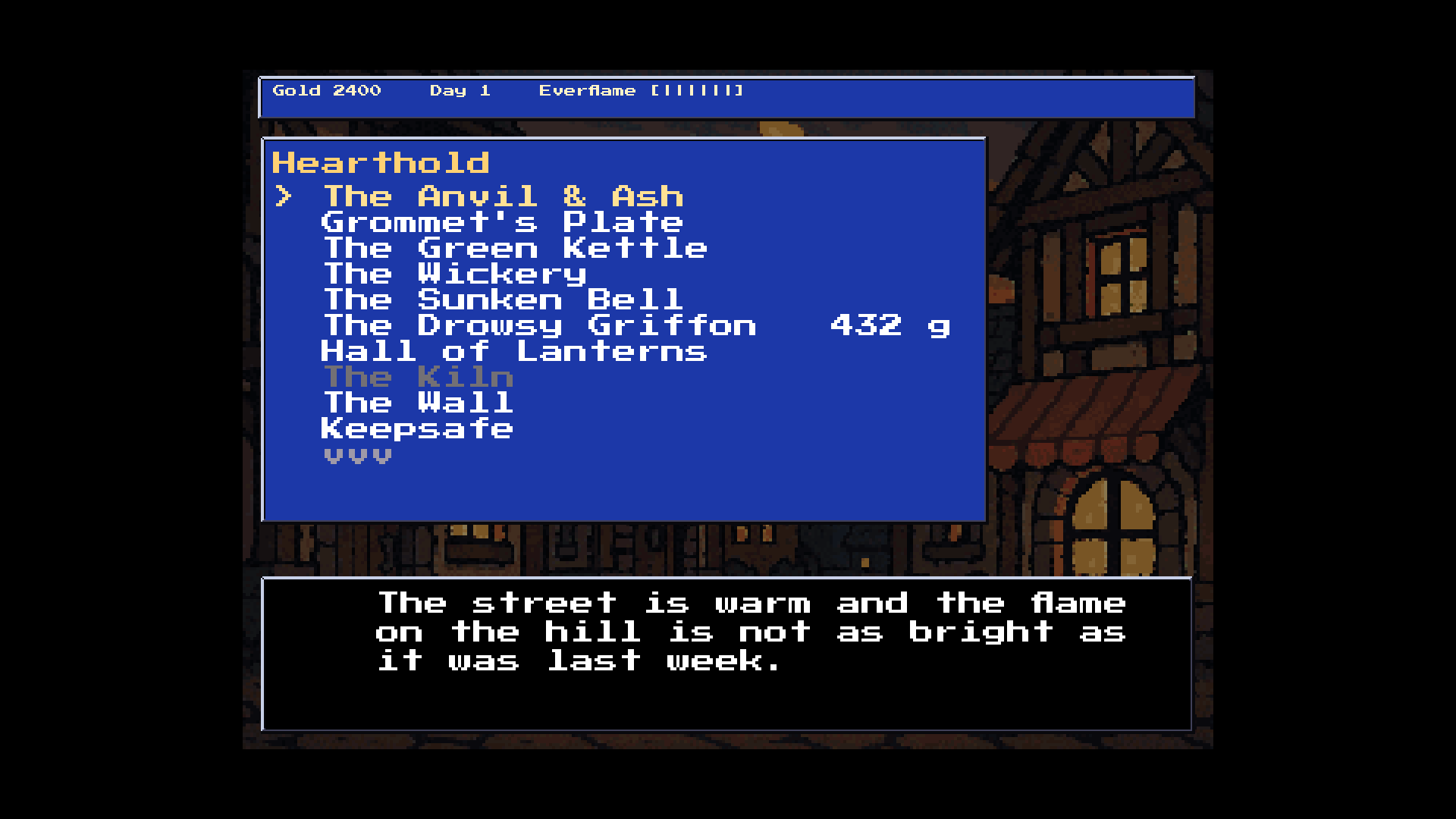
Every trip down works the same way. You go down, fight, and when you think it’s enough you come back up to save, shop and sleep before the next one. You can only save in town, so coming back with a full bag and a hurt party is already a win, and knowing when to stop is a big part of the game.
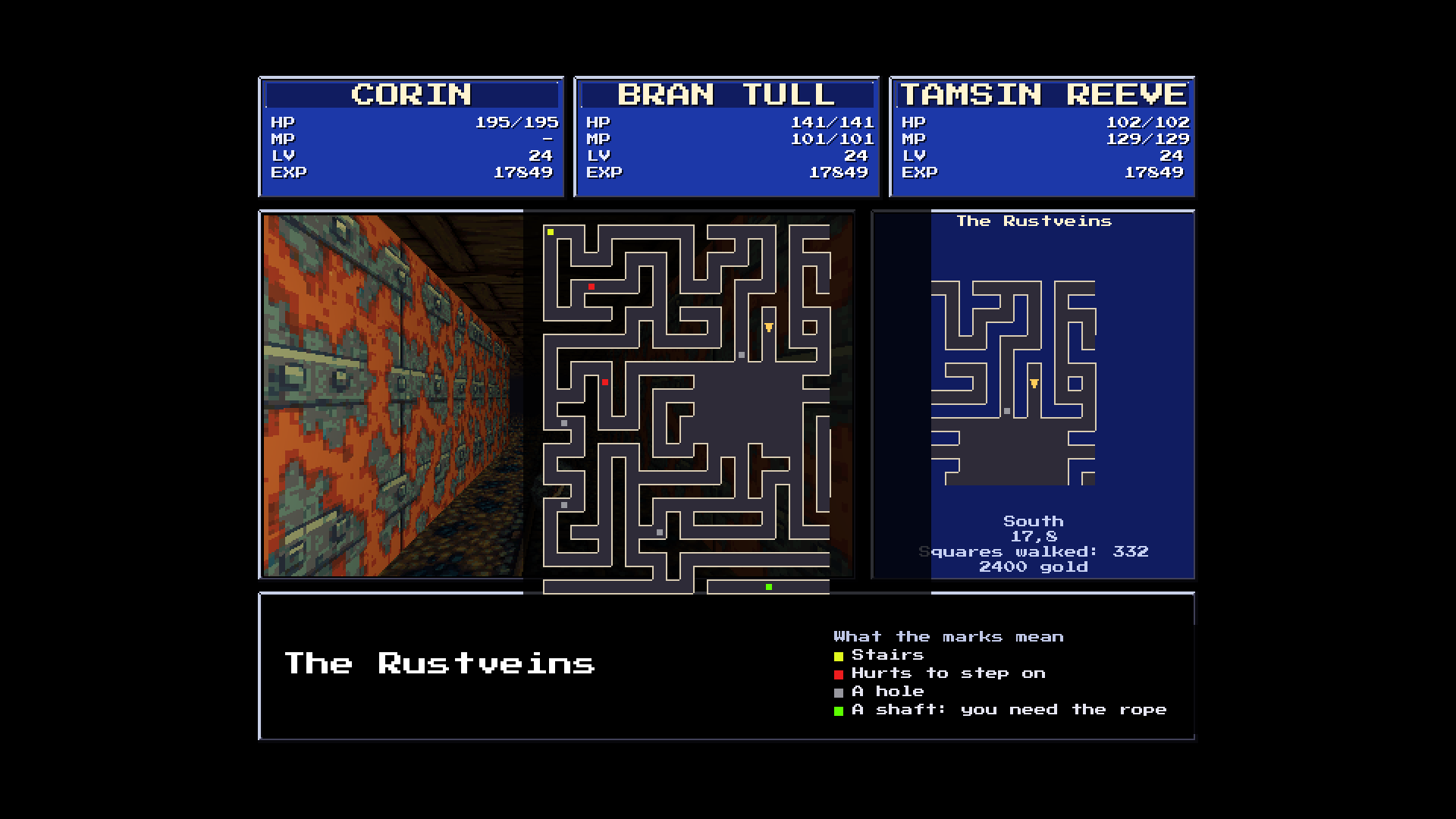
Mazes are the same every playthrough, so you’ll know exactly what to expect next time. The automap only shows the squares you already walked on, unless you find the map for that floor, and you can also pin the doors you couldn’t open and come back for them later.
Your party has Corin, who never talks, Bran, a field medic who ran away on the third day and tells you about it right away, and Tamsin, who came down for her own reasons and takes her time to tell you why. You have 30 spells and the game has 43 monsters, and most of the nine bosses need a strategy to beat. One rings a bell every fourth turn and someone in your party has to defend on that turn, one doesn’t take any fire damage, and one has a face that sends your hits back to you.
The lantern
The lantern is the main idea of the game, you use it to open new paths. We have the four trials accessible in the first floor, and when you complete each one you receive a Sigil and the lantern learns a new skill: walking on flooded ground, lighting things that went out, crossing a shaft with a rope and seeing through fake walls. The flood skill also opens a part of the first floor you couldn’t reach before.
When you grab the four Sigils the Hollow Gate will open and the real descent starts. This game has four endings depending on what you choose at the bottom. When the game is finished a brand new floor opens with a secret boss, and you can also start a NG+ that keeps your levels and gear.
How I made it
The game is made in Godot, and almost nothing in it is placed by hand. Monsters, items, spells, shops, loot and the mazes are all written by Python scripts into data files that the game reads. Each maze is a grid of characters, one for each square, with a letter for a door, a lever, a spinner or a flooded square.
It’s more work at the start, but it means my tests can check all of it. In a game like this there’s a type of bug where something exists but nothing uses it, like a text that never shows on screen, an armour that no shop or chest gives you, or a lantern skill that doesn’t open anything. None of these crash the game, the content is just there and nobody ever sees it.
So I have checks for all of that: every item can be found somewhere, every monster shows up in some fight, and every lantern skill opens something. I also have a check that walks every floor with only what you’d have the first time you get there, to make sure you can always reach the stairs and never get stuck. The tests are at 439 checks now, and most of them exist because I found something broken by accident.
I also break every check on purpose once and watch it fail, because until I see it fail I’m not sure it really works.
The texts
The game is fully in English and Brazilian Portuguese, and I wrote both at the same time instead of translating one after the other. All the texts live in one place, with a small page where I can see both languages side by side, who says each line and where, and a check that blocks things like dashes or lines made of short broken pieces.
After launch I went through every line of the game again, more than once, and checked each one against what the game really does. It was the most useful thing I did after release. A hint said a floor was a mirror of itself and it wasn’t, a boss was supposed to heal from fire but only did it from spells, and the Emberglass Wick could be used up from a menu, and then you lost the endings that need it. Most of the time the text was right about how the game should work, so I fixed the game.
Where
A Light in the Gloam on Steam, for Windows. The latest update is 1.1.3, and if you find something that reads wrong or doesn’t work like it says, please let me know.

Leave a Reply